
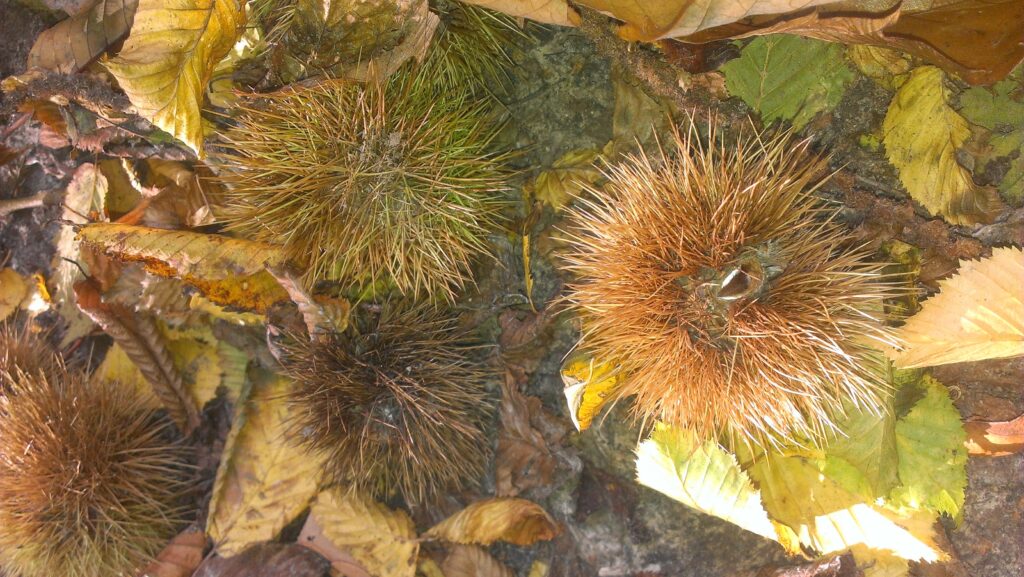
As the days get shorter and the temperatures drop, the UK comes alive with a different kind of natural beauty. Autumn is the perfect time to grab your coat, head outdoors, and enjoy the changing landscape. And while you’re out there, keep an eye out for some of the fascinating wildlife that thrives in this season. Whether you’re walking through woodland, exploring parks, or just relaxing in your garden, here’s what you can expect to see during October and November.
Birds to Watch For
- Redwing and Fieldfare: These winter visitors arrive from Scandinavia, forming flocks that feed on berries in hedgerows and open fields. Their striking plumage and high-pitched calls are unmistakable.
- Waxwing: If you’re lucky, you might spot these elegant birds feeding on rowan or hawthorn berries. They’re rare, but their bold crests and colourful markings make them a joy to find.
- Robin: Everyone’s favourite garden bird becomes more vocal in autumn. Their cheery song can be heard more often as they establish their territories for the colder months.
- Starling: One of the most mesmerising sights of the season is a murmuration of starlings. These flocks swirl in the sky at dusk, creating dramatic shapes before settling down to roost.
- Long-tailed Tit: Often travelling in groups, these cute, fluffy birds can be seen flitting between trees and bushes, particularly in woodlands.
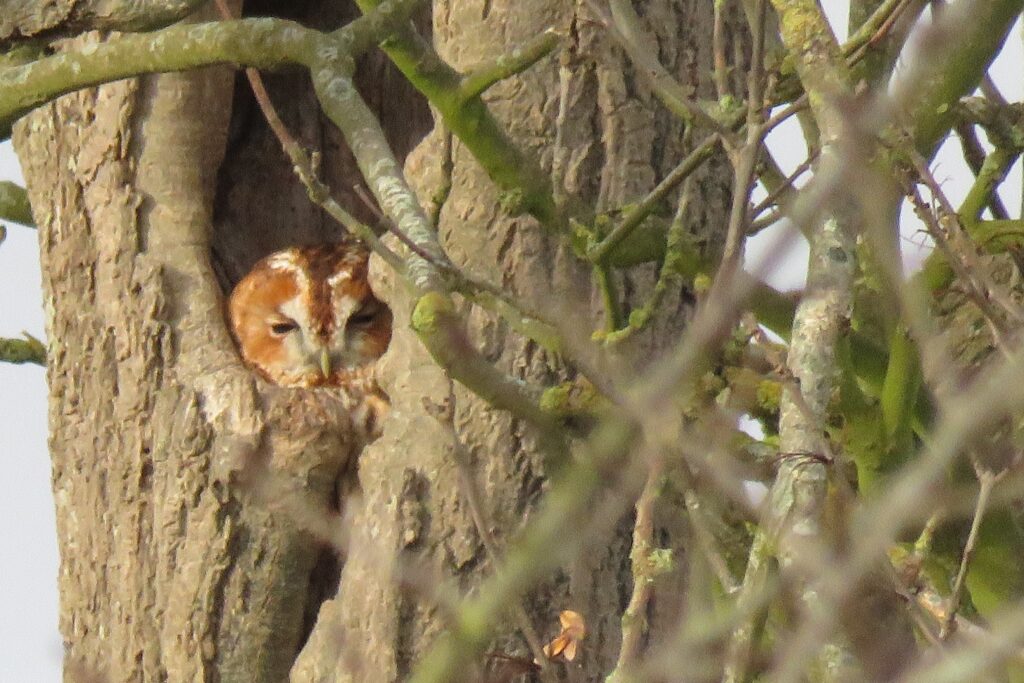
- Tawny Owl: As the nights draw in, the haunting call of the tawny owl can often be heard in the countryside. Autumn is a great time to listen for their eerie hoots as they establish territory.
- Waders: Geese, Oystercatcher, knot, curlew and redshank, can all be spotted along UK coasts and wetlands in autumn. Their graceful movements make them a seasonal highlight!
You can also get involved in Bird Aware’s Great Coastal Birdwatch if you’re in Essex or Kent, it’s a citizen science project that aims to raise awareness of the incredible range of overwintering birds that visit the Essex and Kent coast each year. The following week the lovely people at Essex Birdwatch Society are running their annual Big County Birdwatch which features a series of FREE expert led, guided birdwatching walks and events throughout the county.
Mammals to Spot
- Hedgehogs: These prickly little creatures are preparing for hibernation. If you’re lucky, you might spot them in your garden, snuffling through leaves as they fatten up for their winter sleep.
- Red Squirrels: While grey squirrels are more common, autumn is a prime time to spot red squirrels, especially in parts of Scotland and Northern England. They’ll be busily gathering food, getting ready for the colder months.
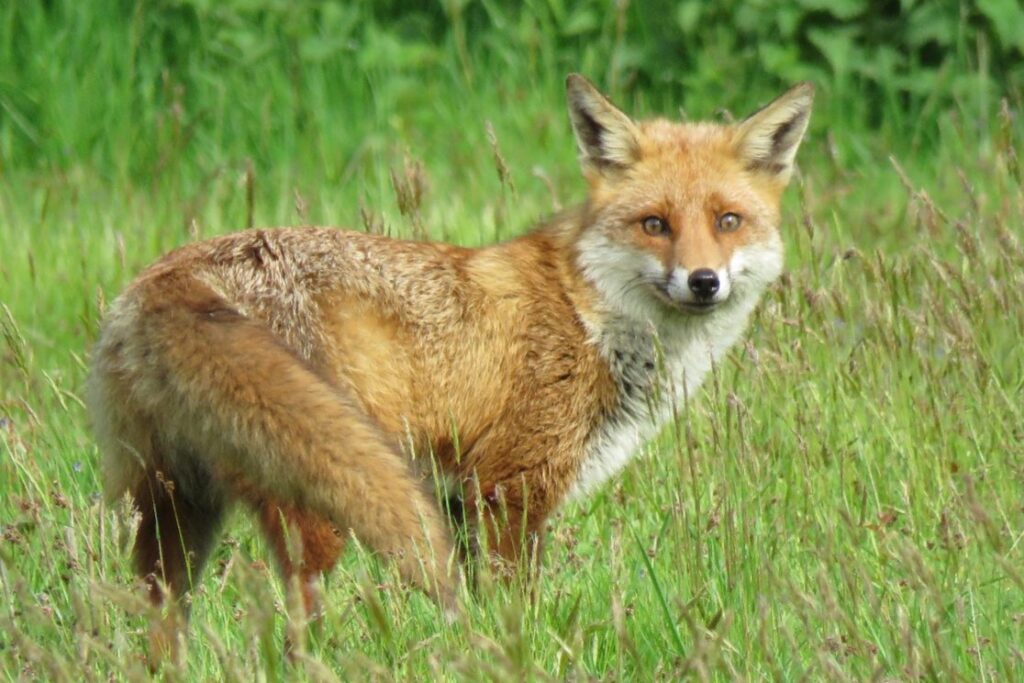
- Foxes: Urban foxes are particularly visible at this time of year as they forage for food in parks and gardens. Watch out for them at dawn or dusk.
- Deer: Autumn marks the rutting season for red and fallow deer. You might hear the distinctive roar of stags competing for mates. Richmond Park and other large estates are fantastic places to witness this dramatic spectacle.
- Ladybirds: As temperatures fall, you may notice ladybirds gathering in clusters on the sunny sides of buildings. They’re preparing to hibernate and will soon disappear until spring.
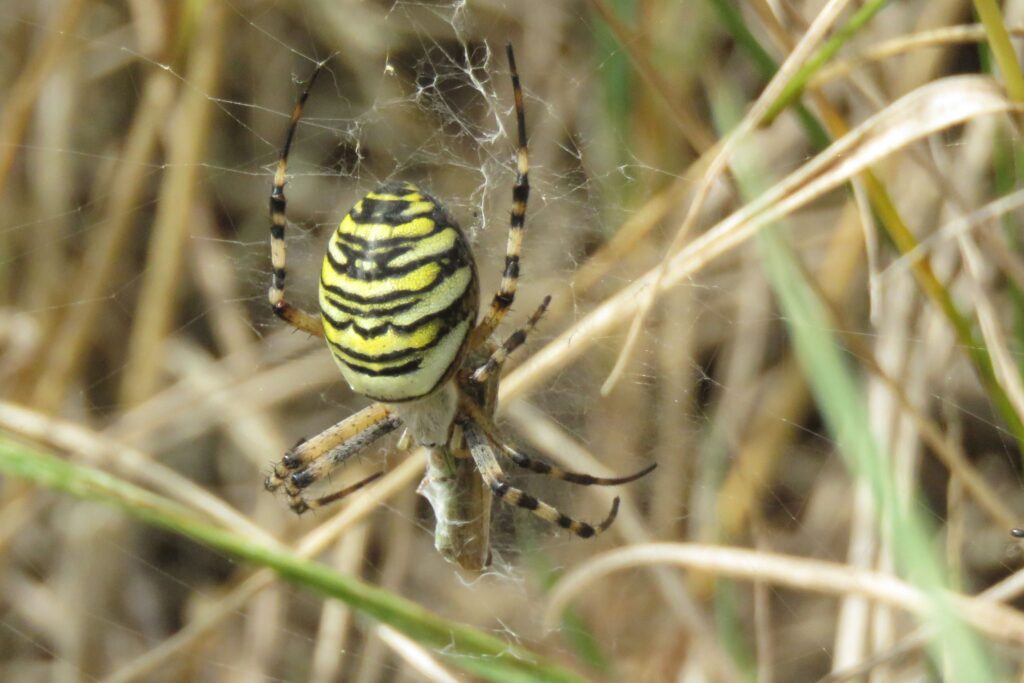
- Spiders: Autumn is spider season in the UK and you’ll probably notice garden spiders spinning intricate webs in your garden or house spiders scurrying across the floor indoors. Their mating season is in full swing!
- Dragonflies: Although most species will have disappeared by now, you may still spot the occasional dragonfly hovering near ponds and wetlands, especially if the weather is mild.
Plants & Fungi

- Fungi: Autumn is mushroom season, and the UK’s woodlands are filled with fascinating fungi. Look out for fly agaric with its distinctive red cap and white spots, the bright yellow chicken of the woods, and puffballs nestled in the grass.
- Berries: Hawthorn and rowan trees are heavy with bright red berries, a favourite food for many birds. You’ll likely spot flocks of birds feasting on them during your walks.
- Ivy: Although often overlooked, ivy blooms late in the year, providing a vital nectar source for bees and other insects. Watch out for the small yellow-green flowers buzzing with activity.
Tips for Wildlife Watching This Autumn
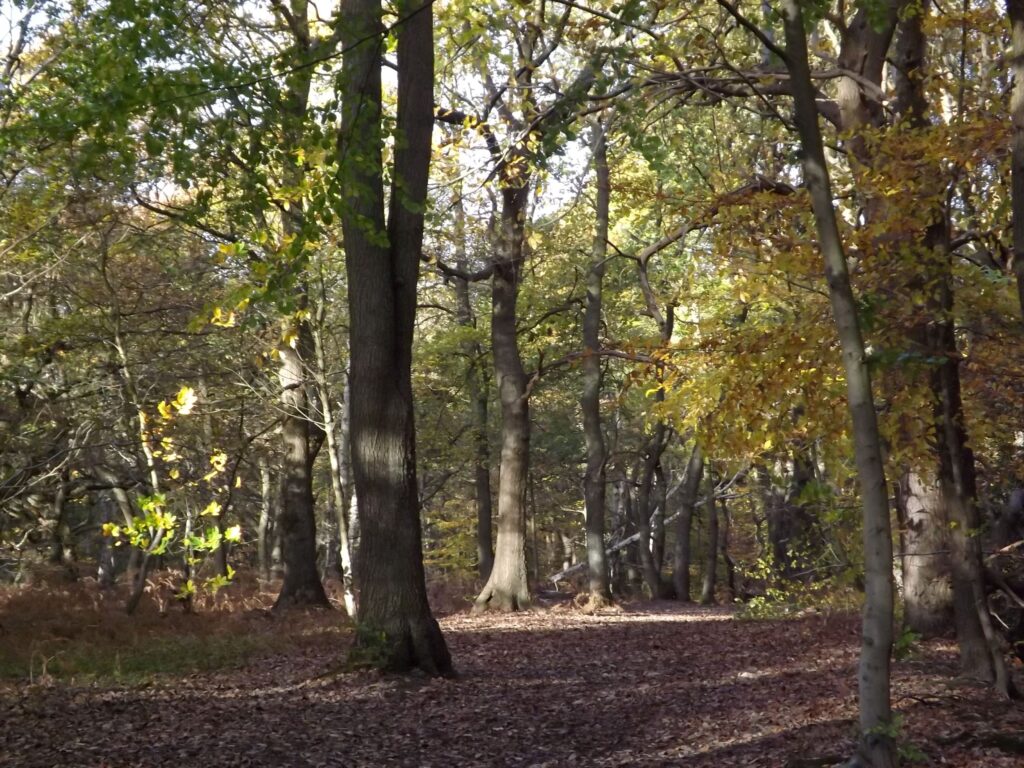
- Woodland Walks: Many of these species can be spotted on quiet walks in the woods. Take time to pause, listen and observe – nature reveals itself when you’re still.
- Urban Exploration: You don’t need to travel far! Parks and gardens are full of wildlife, from foxes and squirrels to a variety of birds preparing for winter.
- Early Mornings or Dusk: These are the best times to spot wildlife, especially mammals and birds like deer, foxes and owls, which are most active during these quieter hours. Don’t forget that you may get the added bonus of seeing a spectacular sunrise too.
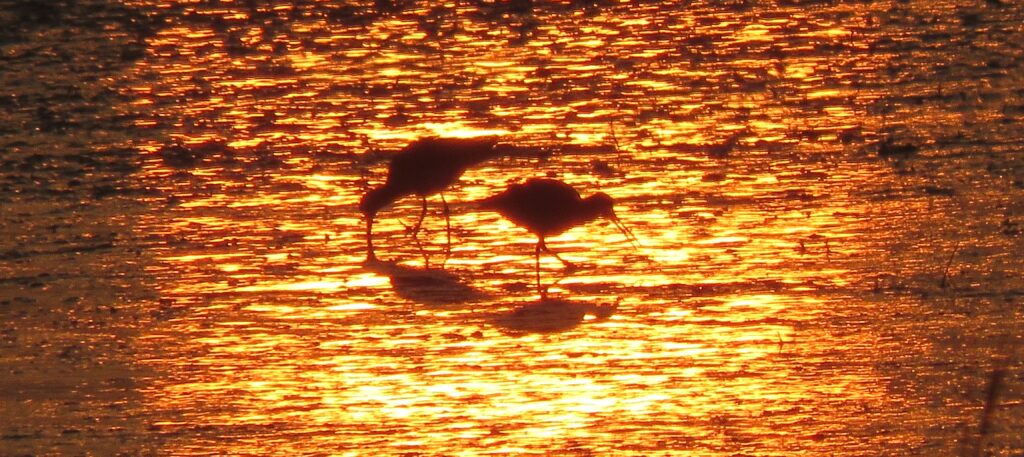
So, whether you’re looking to enjoy a peaceful walk through the colourful autumn leaves or simply spot wildlife from your window, there’s plenty to see at this time of year. The natural world is in full swing, with animals preparing for the cold months ahead and trees and plants showing their final displays of the year. Take time to enjoy it—there’s so much beauty in these quieter moments.
Now that you know what to look for, grab your journal or camera and head outdoors! Don’t forget to share your wildlife finds and join my Creative Escape challenge for even more inspiration!